
"Juan Valdez"
220 article(s) found

Price and Flavor description characteristics of Colombian Jindio Coffee beans
Price and Flavor description of Colombian Jindio Coffee beans this uncle is now a third-generation real-life version. Uncle Juan Valdez, who represents Colombian coffee farmers, as the ambassador of Colombian coffee, will travel around the world to promote Colombian coffee. A beard, a straw hat and the mules around him are his necessary wardrobe. Uncle Dou in 2010,

"Magic Latin America" Coffee Culture in Latin America
Communication of professional baristas Please follow the coffee workshop (Wechat official account cafe_style) generally speaking, coffee producing areas are mostly located in developing countries, while coffee consuming countries are the so-called first world. Although Latin America is a coffee producer, Latin Americans are also coffee lovers, thus giving rise to a unique coffee culture. Coffee should be the most common pick-me-up in the world.

Boutique Coffee Manor-introduction of Apricot Rose Summer in Lorena Manor, Colombia
For more information on coffee beans, please follow the coffee workshop (Wechat official account cafe_style) Coffee came to Colombia in the late 18th century through Christian priests among the Spanish colonists. The first batch of coffee was grown in the northern provinces of Santander and Boyaca, and gradually spread to various parts of the country to become cash crops, but it was not really occupied until the end of the 19th century.

Coffee Culture and Coffee Etiquette ppt in magical Latin America
Professional coffee knowledge exchange more coffee bean information Please pay attention to the coffee workshop (Wechat official account cafe_style) Coffee should be the most common refreshing drug in the world, but also the most economically valuable drink. The United States is the country with the highest coffee consumption, consuming 400 million cups a day, while in Finland, the average person drinks four to five cups of coffee a day, the highest consumption per person.

The History of Coffee in Colombia the types and characteristics of Climate in Coffee growing areas
Colombian coffee, which accounts for about 12% of the world's coffee supply, is highly respected worldwide and is one of the major participants in the global coffee industry. The main reason is that the efficient infrastructure provided by rural farmers and the early growth of coffee exports in the region have made it a great power today. History and Geography of Colombian Coffee: the Origin Story of Colombian beans has been passed through several

Introduction to the export and sales of coffee beans in Mexico
In recent years, the international community has increasingly recognized that Mexican coffee is of high quality. Now, the Mexican Coffee Association also wants to take this opportunity, together with the SCAA annual meeting held in Anaheim in May this year, to promote their brand new Logo and claim that they are about to launch a certification plan. The new Logo of Mexican coffee uses bright pink, blue and yellow, plus with

Colombian coffee brand Amania coffee Armenia Supremo Armenian coffee beans
For more information on coffee beans, please follow the coffee workshop (Wechat official account cafe_style) Colombian coffee was probably introduced by Jesuit monks in the 18th century and did not begin to play an important role until the end of the 19th century. Aware of the value of marketing, Colombia has long created the coffee spokesman Juan Valdez, which can be said to be the best in marketing.
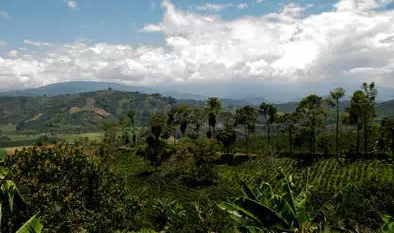
How does a coffee seed become delicious in a cup?
People in Seattle are curious. They want to know where their food comes from. We may know what kind of chicken we eat, or which farm our usual carrots come from, or which beach our oysters for dinner come from. Although Seattle people now prefer locally produced farm and livestock products, the same drink they need every day is another drink from the earth.

Introduction of coffee producing areas in Colombia | what is the level of Antioquia Fredonia coffee?
Antioquia Fredonia of Colombia is called one of the best coffee in the world. Let's take a quick trip and explore another kind of coffee from Colombia. Colombia, like Brazil, Vietnam and Indonesia, is one of the largest coffee producers in the world. Coffee was introduced into Colombia in the early 1800s. Columbia Coffee Federation

How did it go from a seed to a cup of delicacy? Coffee plantations Coffee growing process
Seattleites are curious. They want to know where their food comes from. We may know which breed of chicken we eat, or which farm the carrots we buy come from, or which beach the oysters we eat for dinner come from. Although Seattleites prefer locally grown produce these days, one of the drinks they must drink every day is from another planet.

How about Colombian coffee and Armenian coffee? How to brew Colombian coffee
For more information on coffee beans, please follow the coffee workshop (Wechat official account cafe_style) Colombian coffee was probably introduced by Jesuit monks in the 18th century and did not begin to play an important role until the end of the 19th century. Aware of the value of marketing, Colombia has long created the coffee spokesman Juan Valdez, which can be said to be the best in marketing.

There are four types of coffee trees.
Coffee comes from Ethiopian curry. In Colombia, it was brought by a priest from the French Antilles via Venezuela in 1808. At present, Colombia is the fourth largest coffee producer in the world, behind Brazil, Vietnam and Indonesia.
Zero-distance contact with coffee
Finally, I have an opportunity to witness the formation of coffee. This is after visiting MONTENEGRO National Coffee Park in QUINDIO province of Colombia and a garden coffee farm in MANIZALES city of Caldas province (CALDAS).
Let's enjoy the coffee producing area of Colombia!
People who like to drink single beans like to drink Colombian coffee very much. Super Colombian coffee has a rich and thick aroma. It does not taste as strong as Brazilian coffee, nor does it have an obvious sour tone like African coffee. But with clear high-quality acidity, high balance, sometimes nutty, memorable, no matter in appearance, quality, Colombian super

Zero-distance contact of coffee
Finally, I have an opportunity to witness the formation of coffee. This is after visiting MONTENEGRO National Coffee Park in QUINDIO province of Colombia and a garden coffee farm in MANIZALES city of Caldas province (CALDAS). Coffee comes from Ethiopian curry. In Colombia, it was appointed by a priest from the French Antilles in 1808.
Coffee zero distance
Coffee comes from Ethiopian curry. In Colombia, it was brought by a priest from the French Antilles via Venezuela in 1808. At present, Colombia is the fourth largest coffee producer in the world, behind Brazil, Vietnam and Indonesia. End
Coffee Culture Coffee Zero distance
Coffee comes from Ethiopian curry. In Colombia, it was brought by a priest from the French Antilles via Venezuela in 1808. At present, Colombia is the fourth largest coffee producer in the world, behind Brazil, Vietnam and Indonesia. Finally, I have an opportunity to witness the formation of coffee. This is a visit to QUINDIO, Colombia.
Technology and Environmental factors of growing Coffee in Coffee Garden
Coffee comes from Ethiopian curry. In Colombia, it was brought by a priest from the French Antilles via Venezuela in 1808. At present, Colombia is the fourth largest coffee producer in the world, behind Brazil, Vietnam and Indonesia. There are four types of coffee trees in the world, namely, ARABICA, ROBUSTA and LIBERICA.

Coffee grows where coffee comes from Ethiopia.
Finally, I have an opportunity to witness the formation of coffee. The coffee comes from Ethiopian coffee after visiting MONTENEGRO National Coffee Park in QUINDIO Province, Colombia, and a garden coffee farm in MANIZALES, CALDAS Province. In Colombia, it was taken from the French Antilles by a priest in 1808.

Basic knowledge of Fine Coffee basic knowledge of coffee tree planting
Coffee comes from Ethiopian curry. In Colombia, it was brought by a priest from the French Antilles via Venezuela in 1808. At present, Colombia is the fourth largest coffee producer in the world, behind Brazil, Vietnam and Indonesia. There are four types of coffee trees in the world, namely, ARABICA, ROBUSTA and LIBERICA.